
Projects
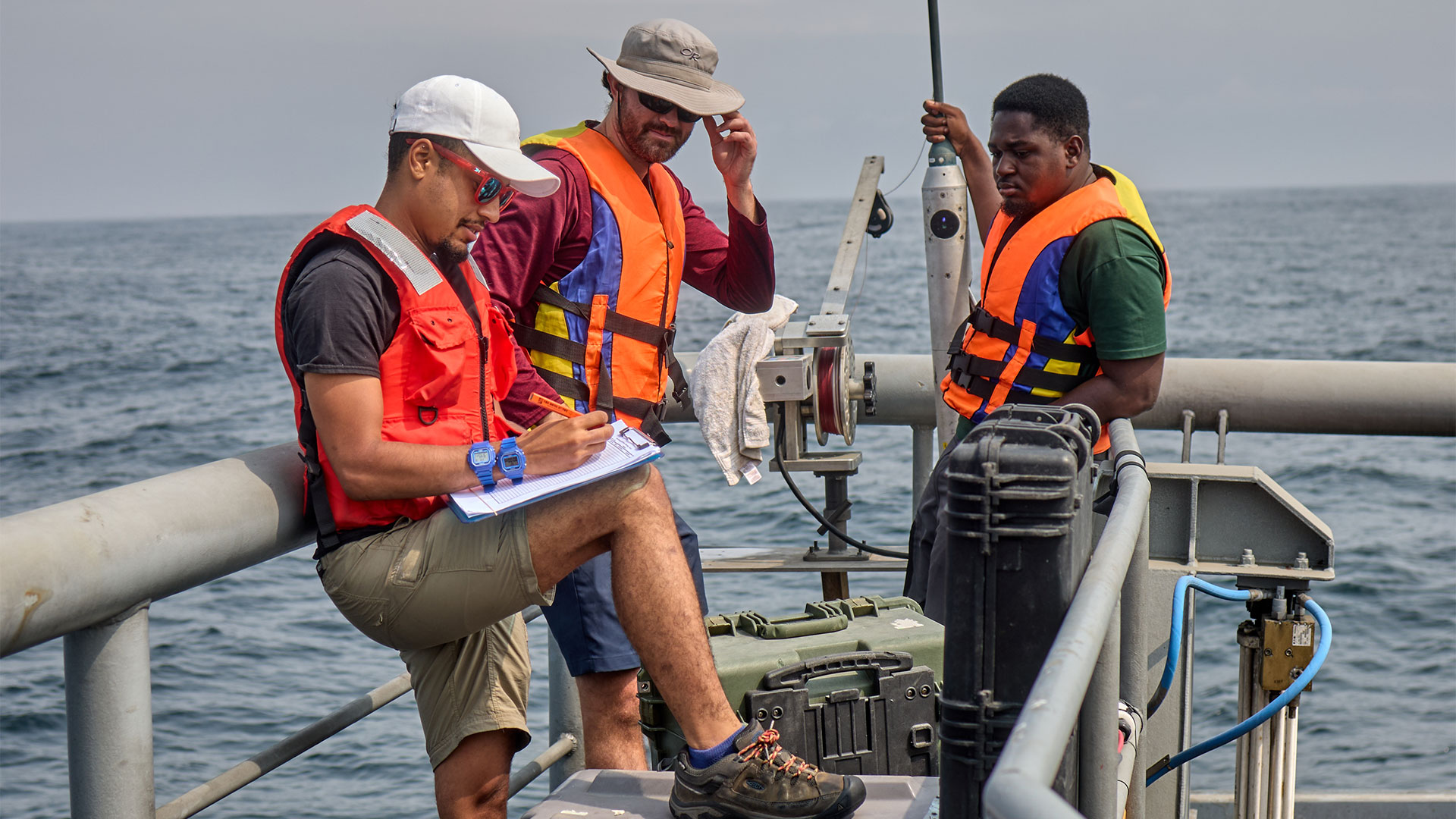
Hydrographic and Bio-optical Profiling
We deploy a towed profiling instrument called an EcoCTD to characterize fine-scale vertical structure in hydrographic and bio-optical properties including temperature, salinity, oxygen, backscatter, and chlorophyll fluorescence at submesoscale resolution. These measurements give new insight into physical-biogeochemical interactions within this seasonal upwelling system, and their role in the exchange of carbon between the continental shelf and the open-ocean.
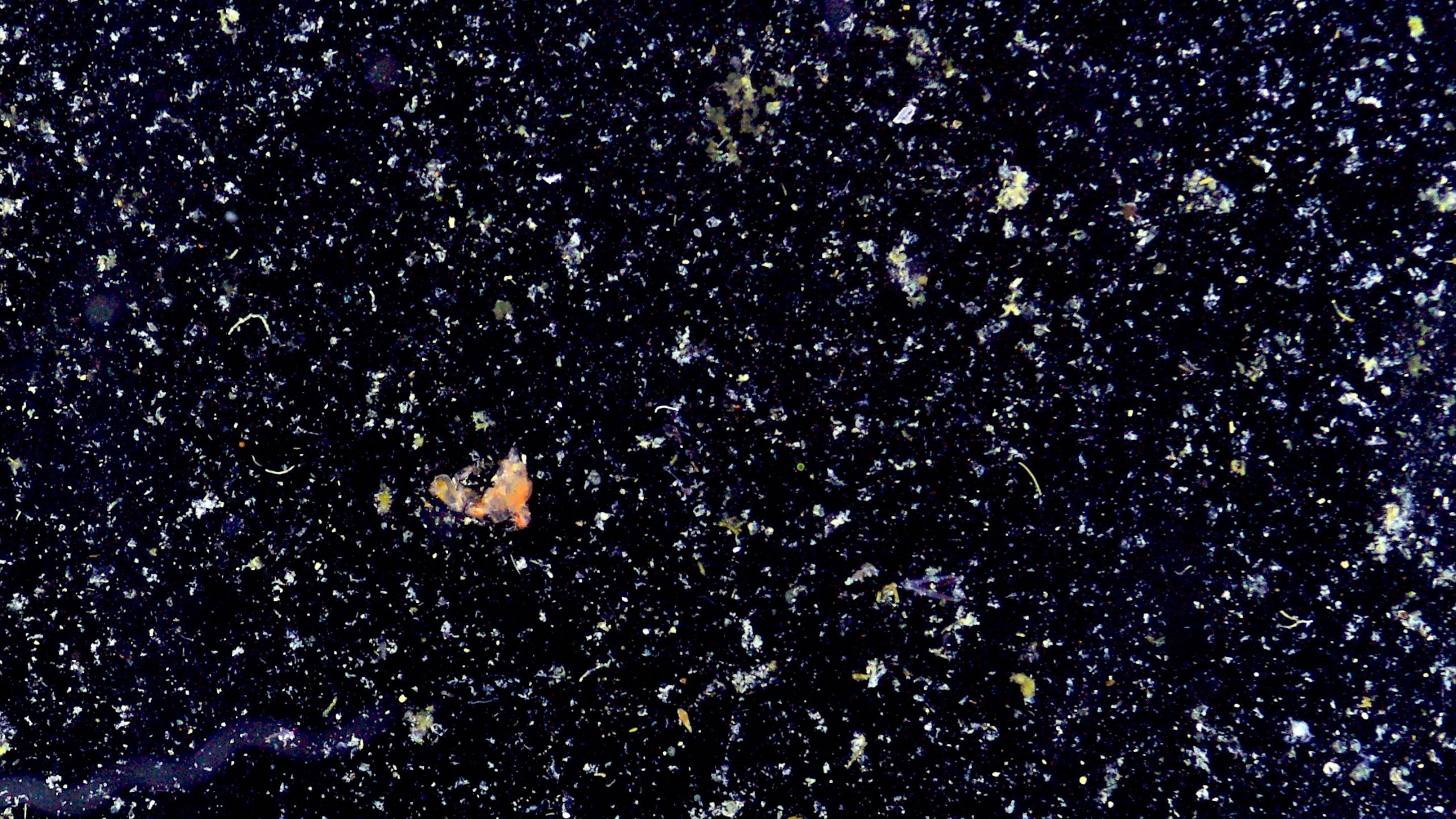
Using marine imaging to link (phyto)plankton ecology and the biological carbon pump
Our team uses drifting particle-intercepting "sediment traps" to collect sinking marine snow particles. We use marine imaging, computer vision and machine learning to link the sinking particles to the plankton populations above. The sinking particles provide food for deep-living animals, and are rich in organic carbon—representing an important export pathway from the productive coastal zone to deep sequestration.
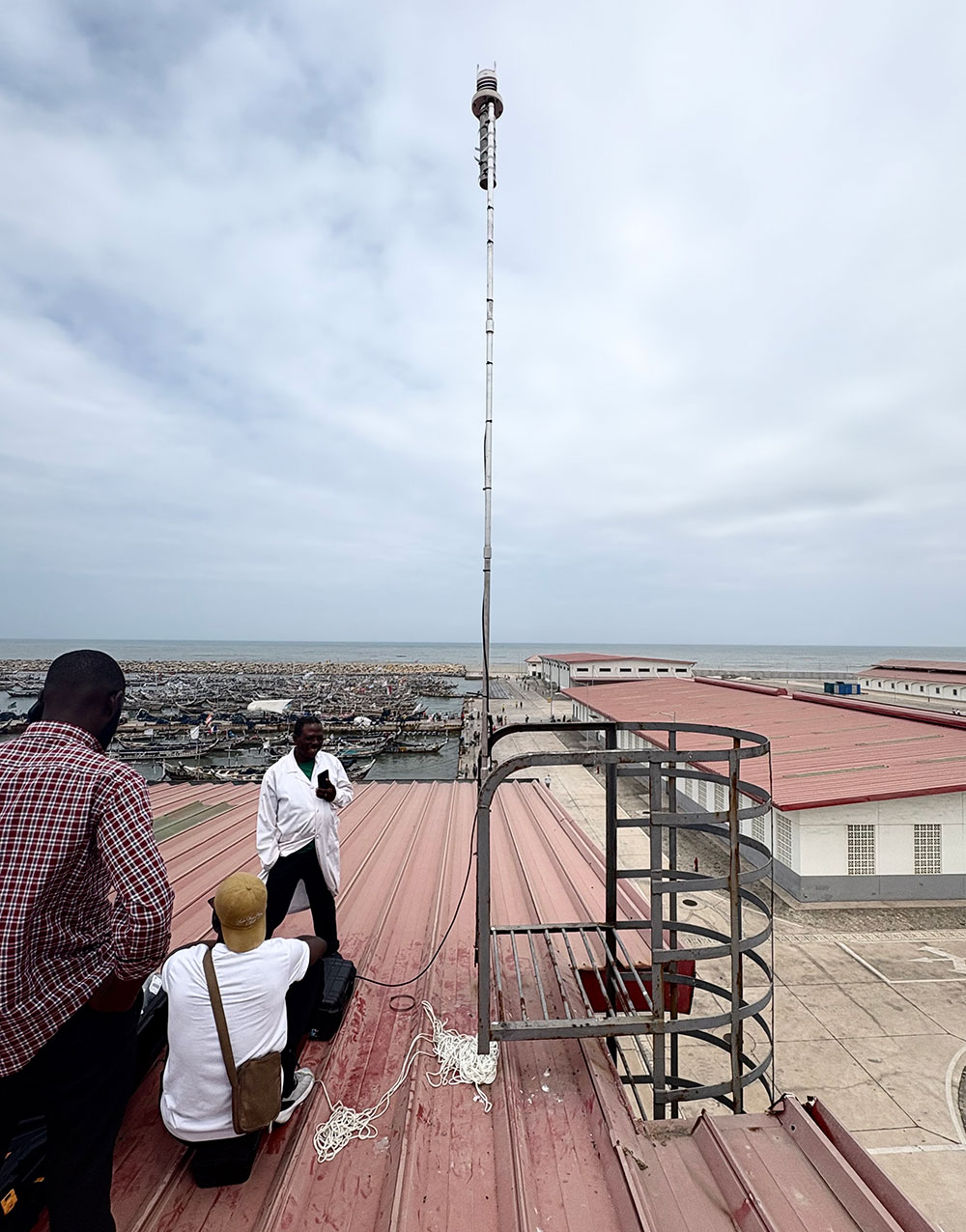
Meteorological Data
The winds and weather influence the currents and upwelling in the Gulf of Guinea. This part of the project will establish a continuous, high-quality weather record for researchers to use to understand changes in the Gulf, to validate other weather products, and to build capacity for making other weather measurements for researchers in Ghana and West Africa.
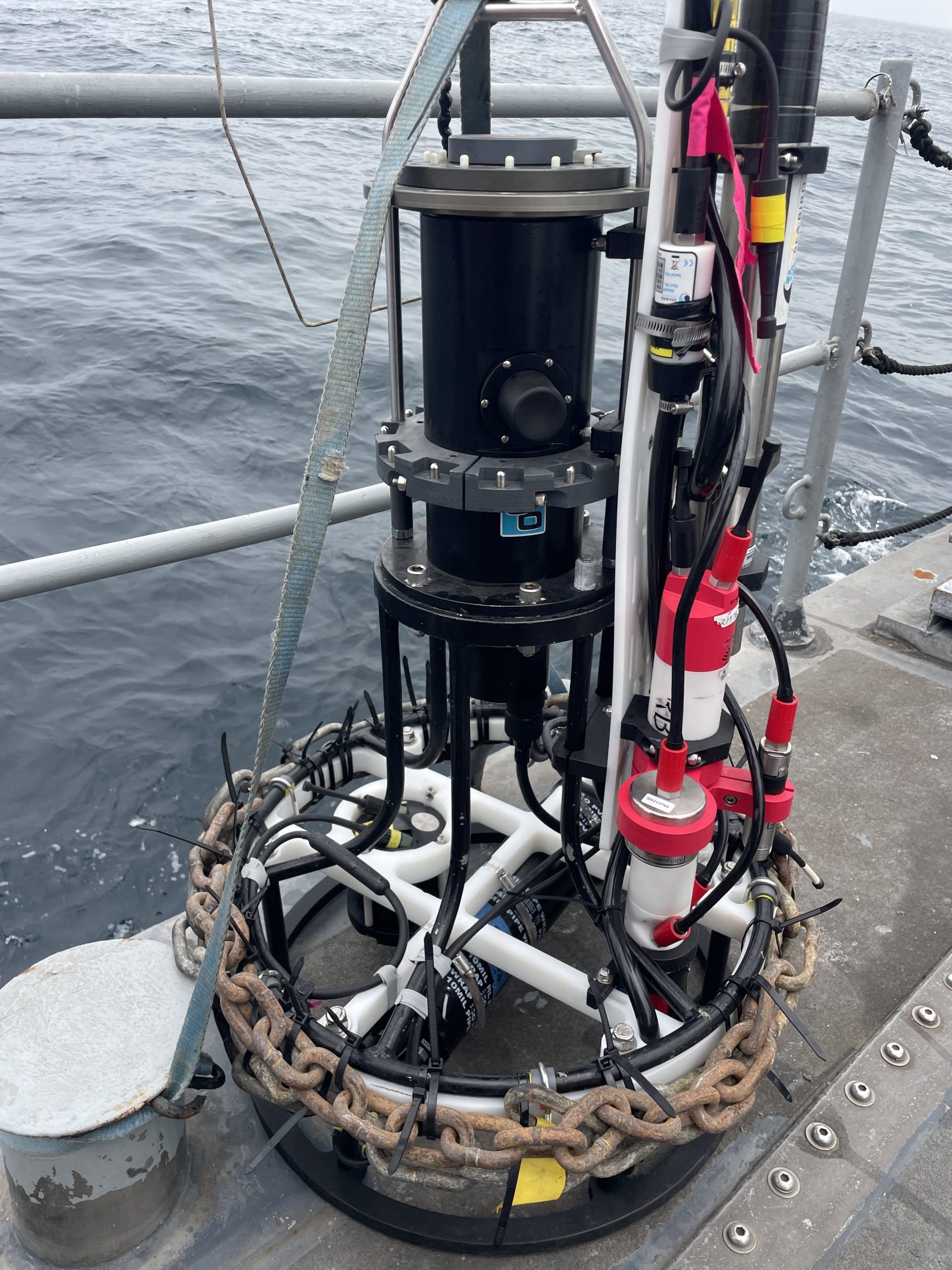
OBVI Core Measurements
As a Schmidt Sciences Ocean Biogeochemistry Virtual Institute (OBVI) project, the Ocean Margins Initiative contributes to the OBVI Core Measurements Program. This program aims to generate a high-quality, standardized biogeochemical dataset across all OBVI cruises, enabling transformative advances in modeling and understanding of the South Atlantic Ocean.
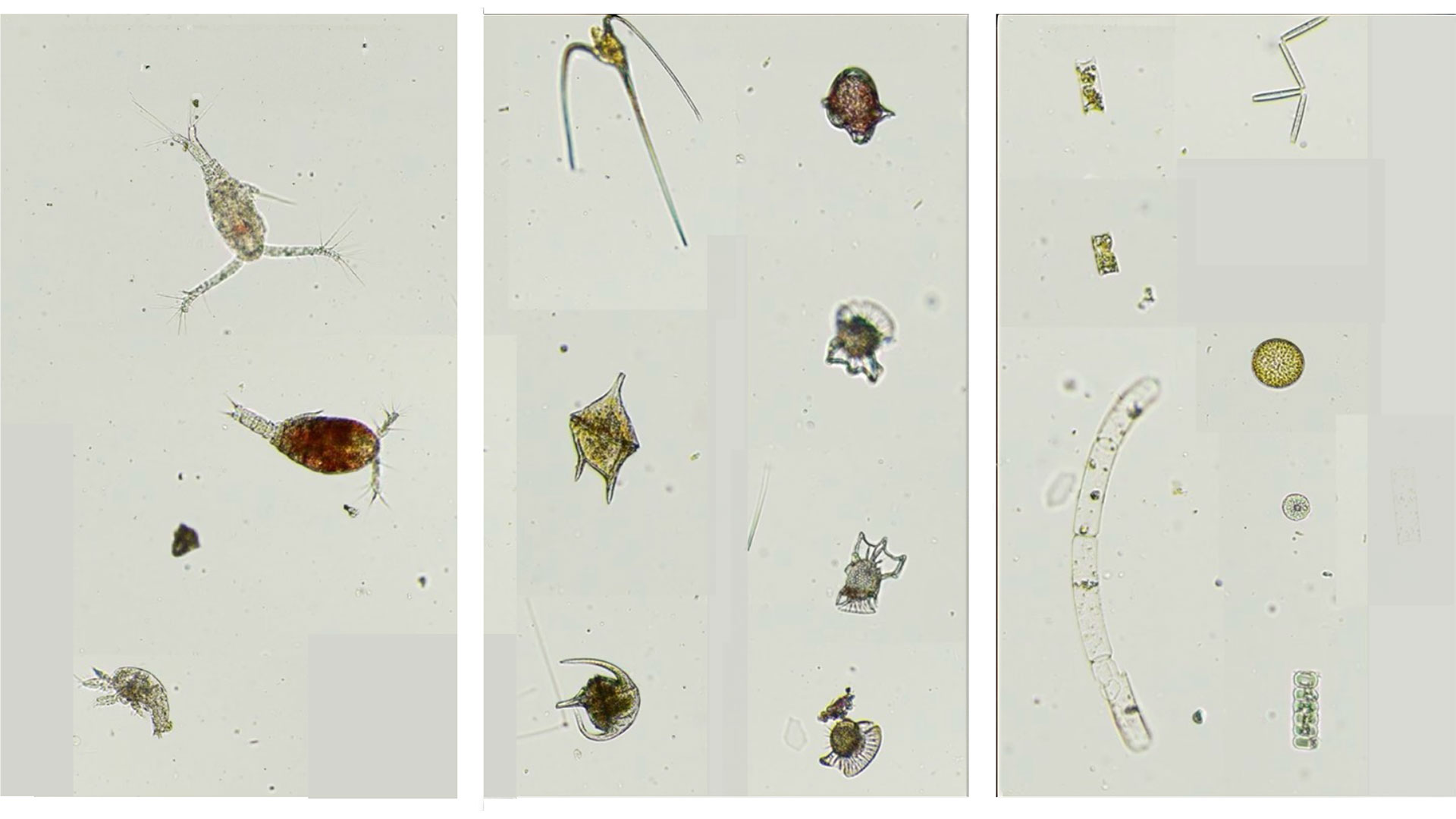
Plankton Community Composition
We characterize the phytoplankton, zooplankton, and bacterioplankton community composition using a range of tools including microscopy, flow cytometry, and sequencing. This informs our understanding of the microbial drivers of biogeochemistry and the ways that physical oceanographic processes shape ecosystems.
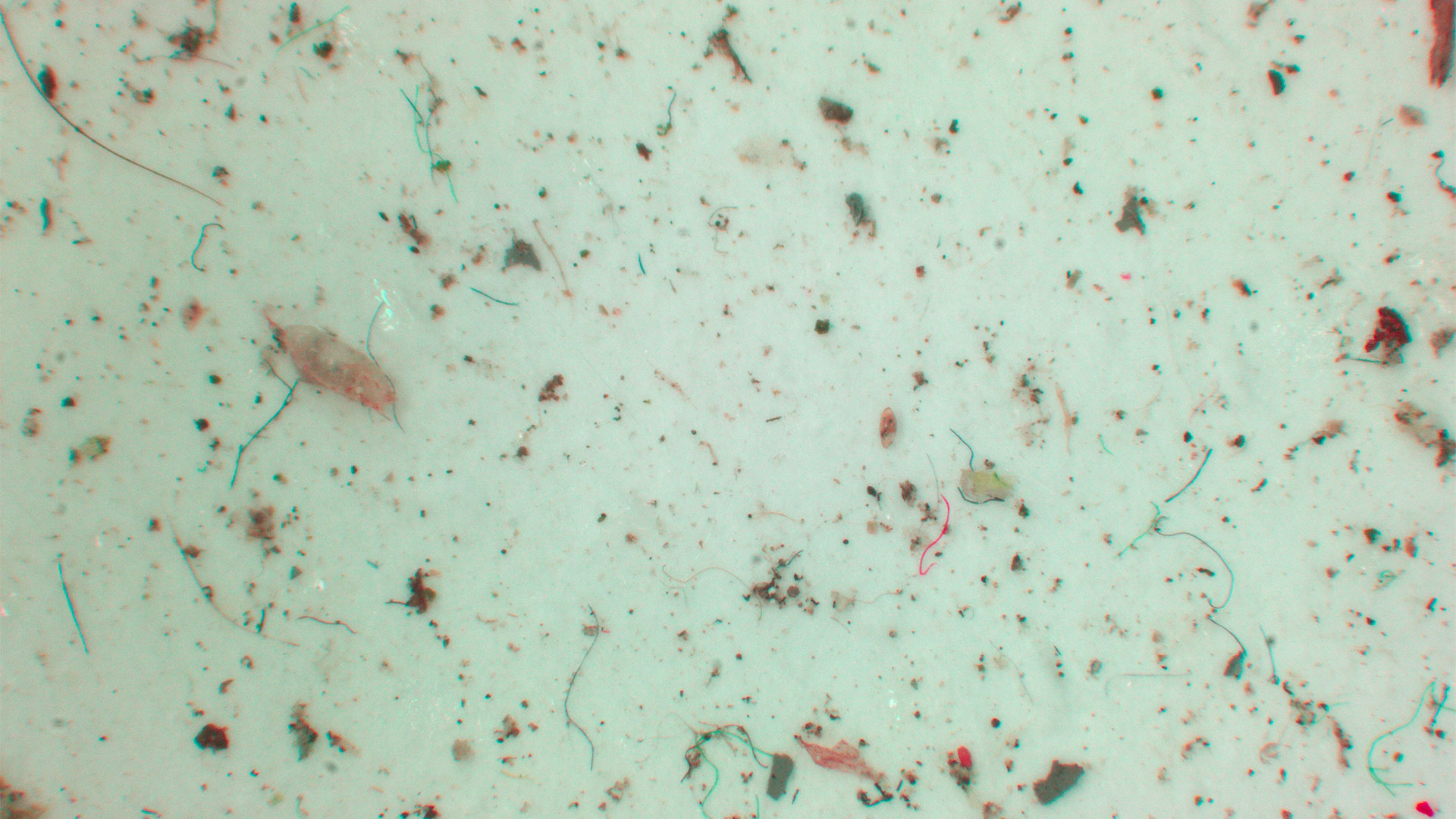
Microplastics
We characterize microplastic abundance, size distributions, morphology, and polymer composition in coastal ocean waters using seawater sampling, microscopy, and spectroscopy. These observations inform understanding of source pathways, coastal transport, and provide the basis for examining microplastic fate in marine systems.
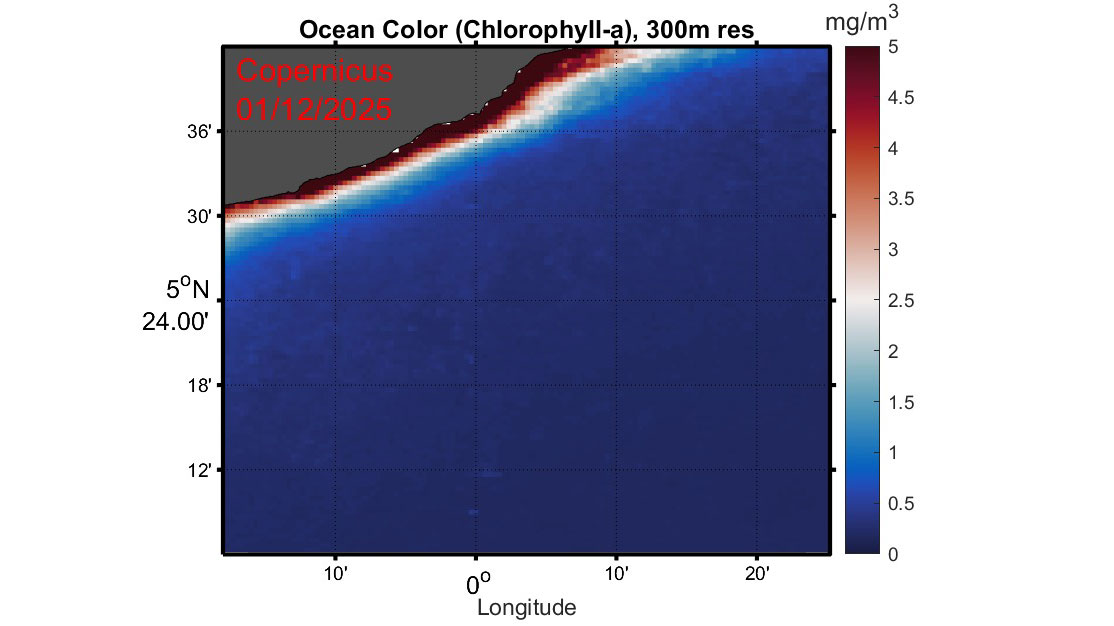
Nutrient Fluxes and Productivity
Our team conducts high-resolution seasonal assessments of key nutrient concentrations, including nitrate, nitrite, ammonium, phosphate, and silicate, to quantify how nutrient availability varies through time and space in response to seasonal forcing, river inputs, and upwelling dynamics. By pairing nutrient profiles with physical oceanographic data and stable isotopes, we identify nutrient sources and pathways that fuel primary production on the continental shelf and investigate how shifts in biogeochemical drivers influence productivity patterns. These measurements allow us to link nutrient supply with biological responses, including changes in phytoplankton biomass, the timing and magnitude of algal blooms, and implications for fishery productivity and ecosystem health. Collectively, this work advances our understanding of how nutrient dynamics shape food-web processes and carbon cycling in a seasonally variable coastal upwelling system.
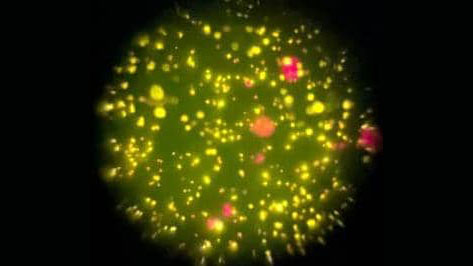
Viruses and Microbes: Hidden Drivers of Ocean Biogeochemistry
We use advanced molecular tools, flow cytometry and epi-fluorescent microscopy to study marine viruses and microbial communities that regulate nutrient cycling, carbon flow, and ecosystem productivity. By examining virus–host interactions and microbial diversity across coastal and offshore waters, we uncover how these microscopic organisms influence phytoplankton blooms, organic matter recycling, and the efficiency of the biological carbon pump.
Environmental DNA (eDNA): Monitoring Biodiversity
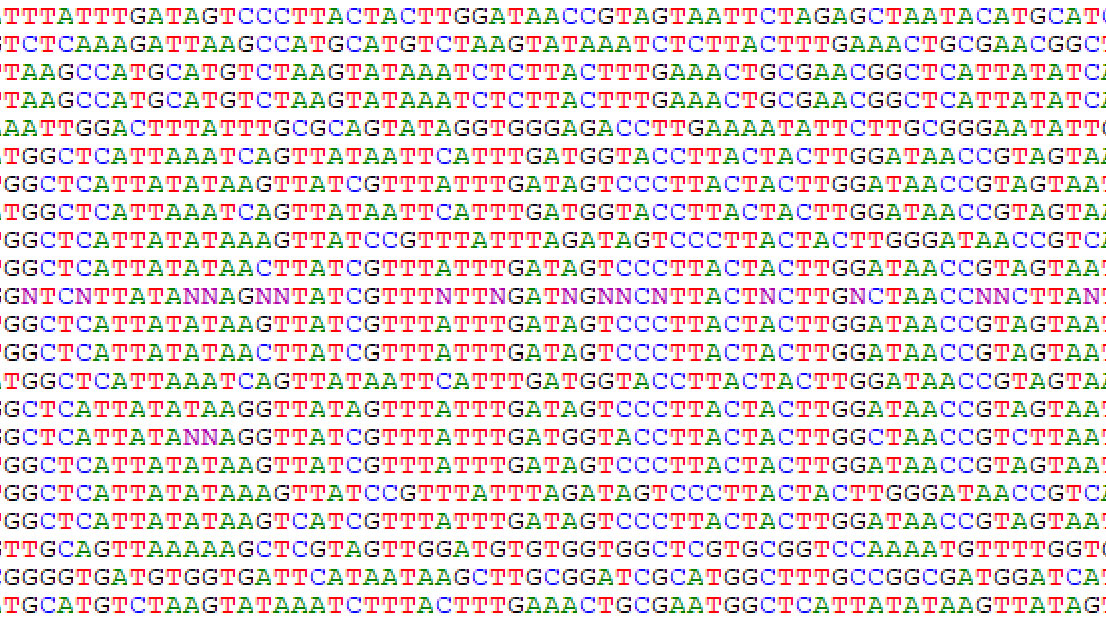
We apply environmental DNA (eDNA) techniques to detect and monitor marine biodiversity from water samples. By extracting and sequencing genetic material shed by aquatic organisms, we generate high-resolution biodiversity profiles across space and time. This approach enhances early detection of harmful algal blooms, invasive species, and ecosystem change, supporting conservation, fisheries management, and climate impact assessments.
Ocean Acidification Monitoring on the Ghanaian Shelf and Coastal upwelling system
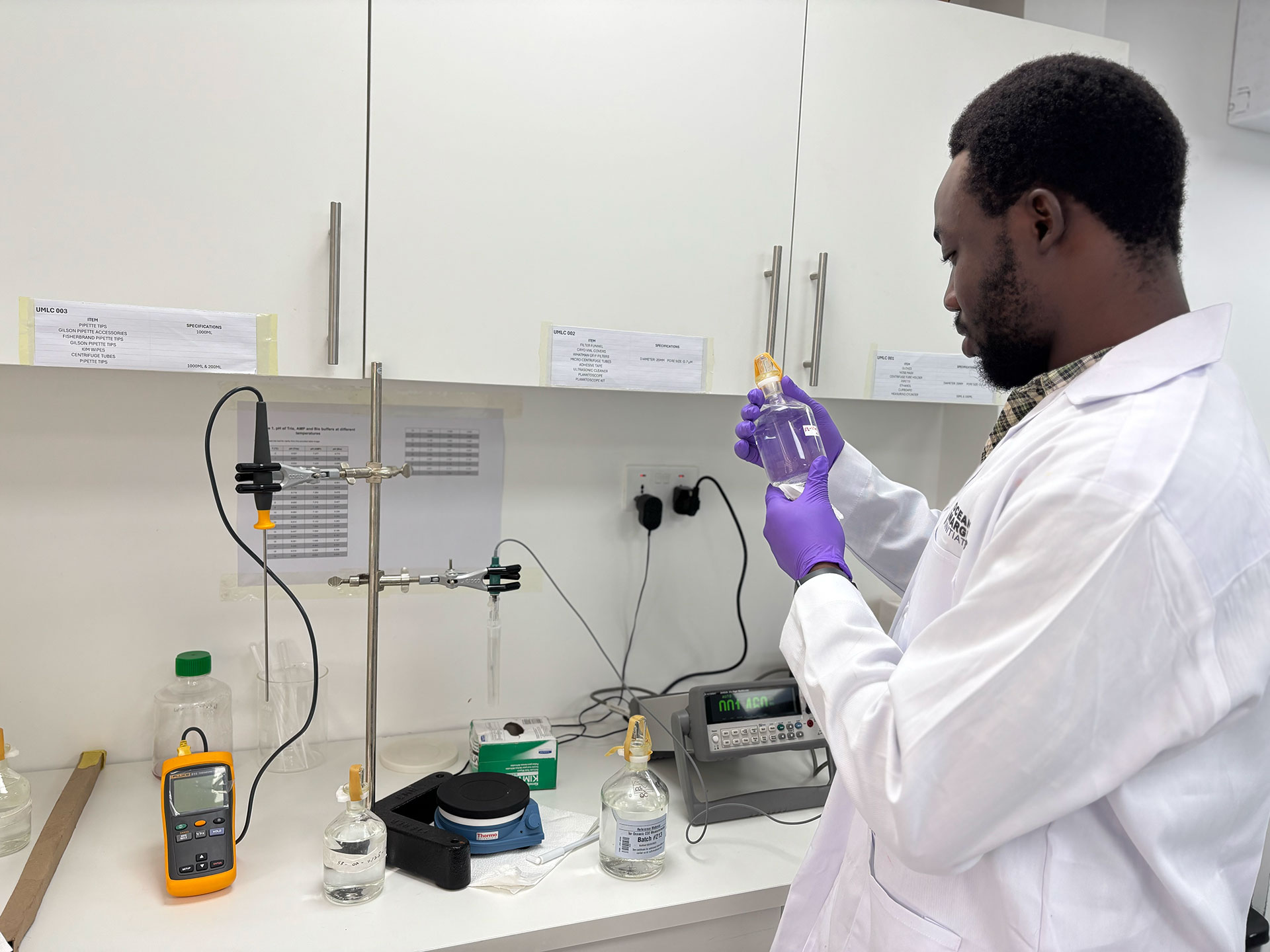
We are developing a carbonate chemistry baseline for the Ghanaian coastal upwelling system by measuring key OA indicators and their variability across space and season. Using paired hydrographic observations and discrete carbonate-system sampling and analysis, we assess how possible upwelling and biological production jointly shape nearshore to shelf acidification risk. These observations support SDG 14.3.1-relevant reporting and aim to provide an evidence base for forecasting and managing OA impacts on fisheries and coastal ecosystems.
Bathymetry
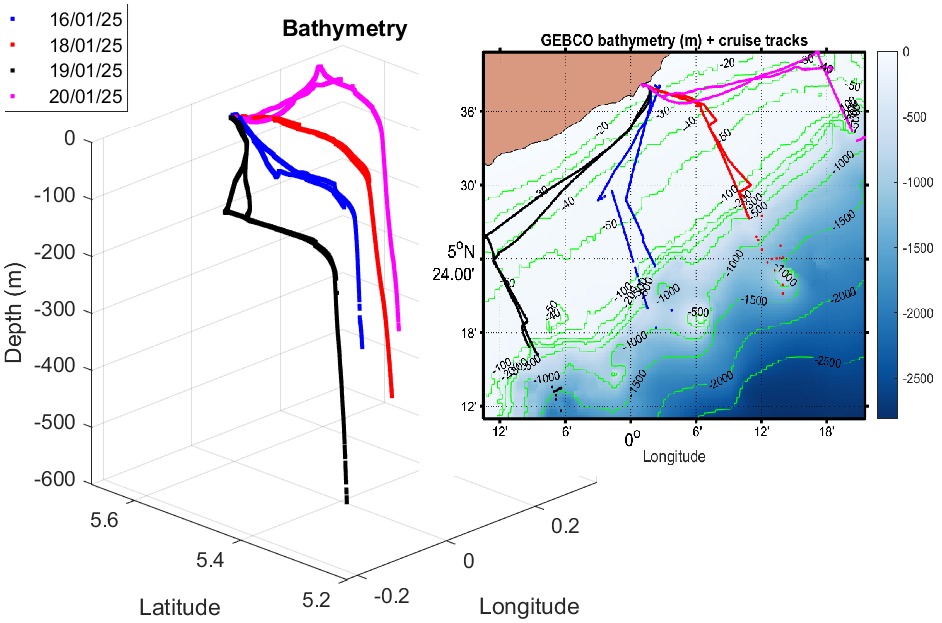
We use an echo sounder connected to a Garmin logger to collect bathymetric data along cruise tracks in the OMI study area. High-resolution bathymetry is a critical foundation for oceanographic research, charting, and coastal modeling, as seabed features strongly influence circulation, wave dynamics, and sediment transport. Because only about 26% of the global seafloor is mapped, these data will also contribute to the International Hydrographic Organization’s Crowdsourced Bathymetry initiative.