Ocean Margins Initiative
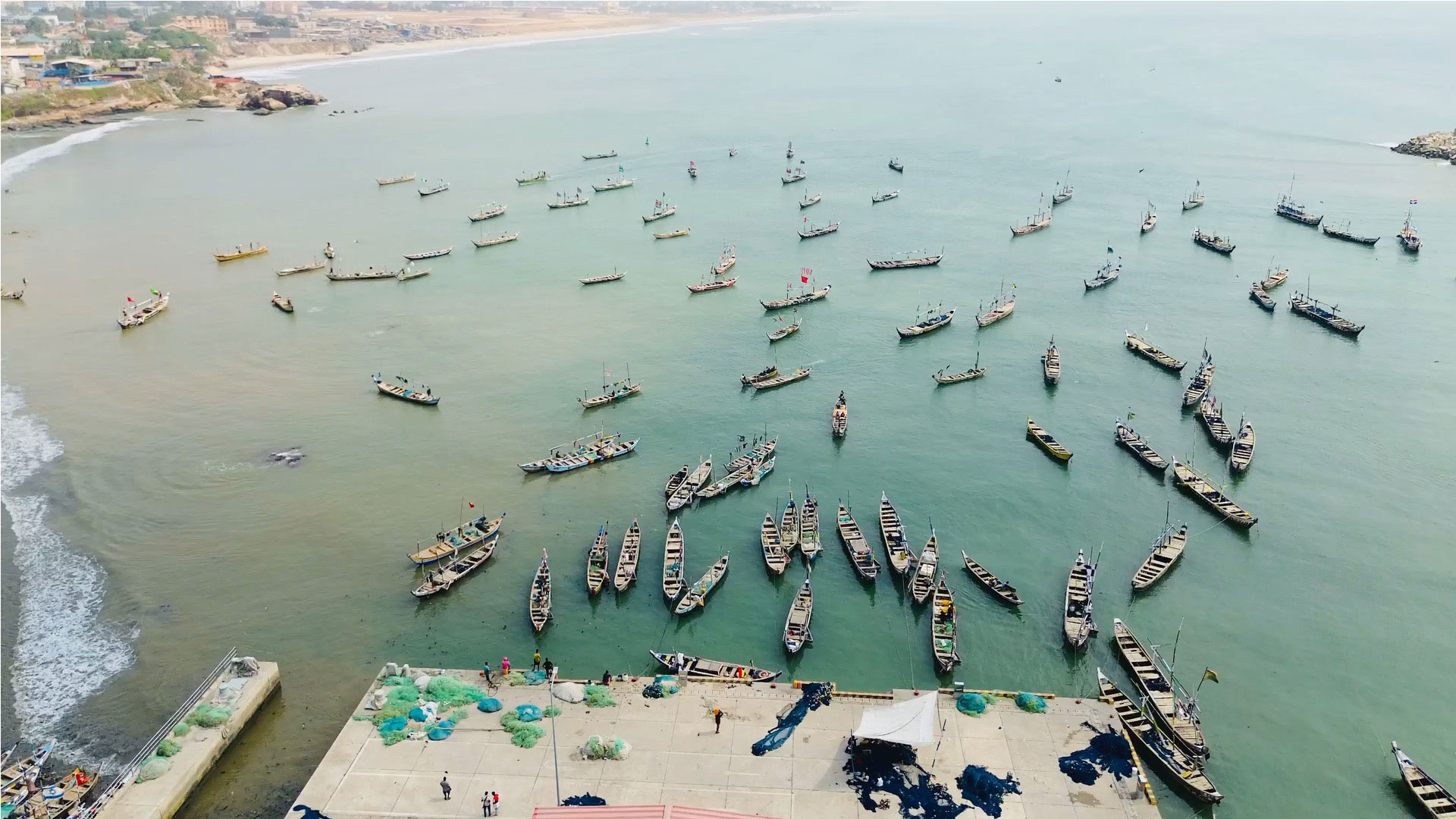
The Ocean Margins Initiative examines the linkages between a biologically productive coastal ocean, coastal communities that depend on the sea, and the pelagic ocean basins.
Ocean Margins Initiative
The Ocean Margins Initiative examines the linkages between a biologically productive coastal ocean, coastal communities that depend on the sea, and the pelagic ocean basins.
Ocean Margins Initiative (OMI) is supported by Schmidt Sciences and is one of five Ocean Biogeochemistry Virtual Institutes (OBVI). A broader goal of OBVI is to enhance an integrative understanding of the biogeochemistry, microbial life, biological productivity and carbon export of the south and equatorial Atlantic in a changing climate.

Out in the world’s coastal waters, between the edges of continental landmasses and deep ocean basins are transition zones characterized by highly variable physical and biogeochemical conditions. These are the ocean margins – upwelling zones that draw nutrients up from the deep and transport them to surface waters and offshore. Ocean margins are some of the most biologically productive regions in the world, and – due to their complexity – some of the least understood.
Resource dependent communities
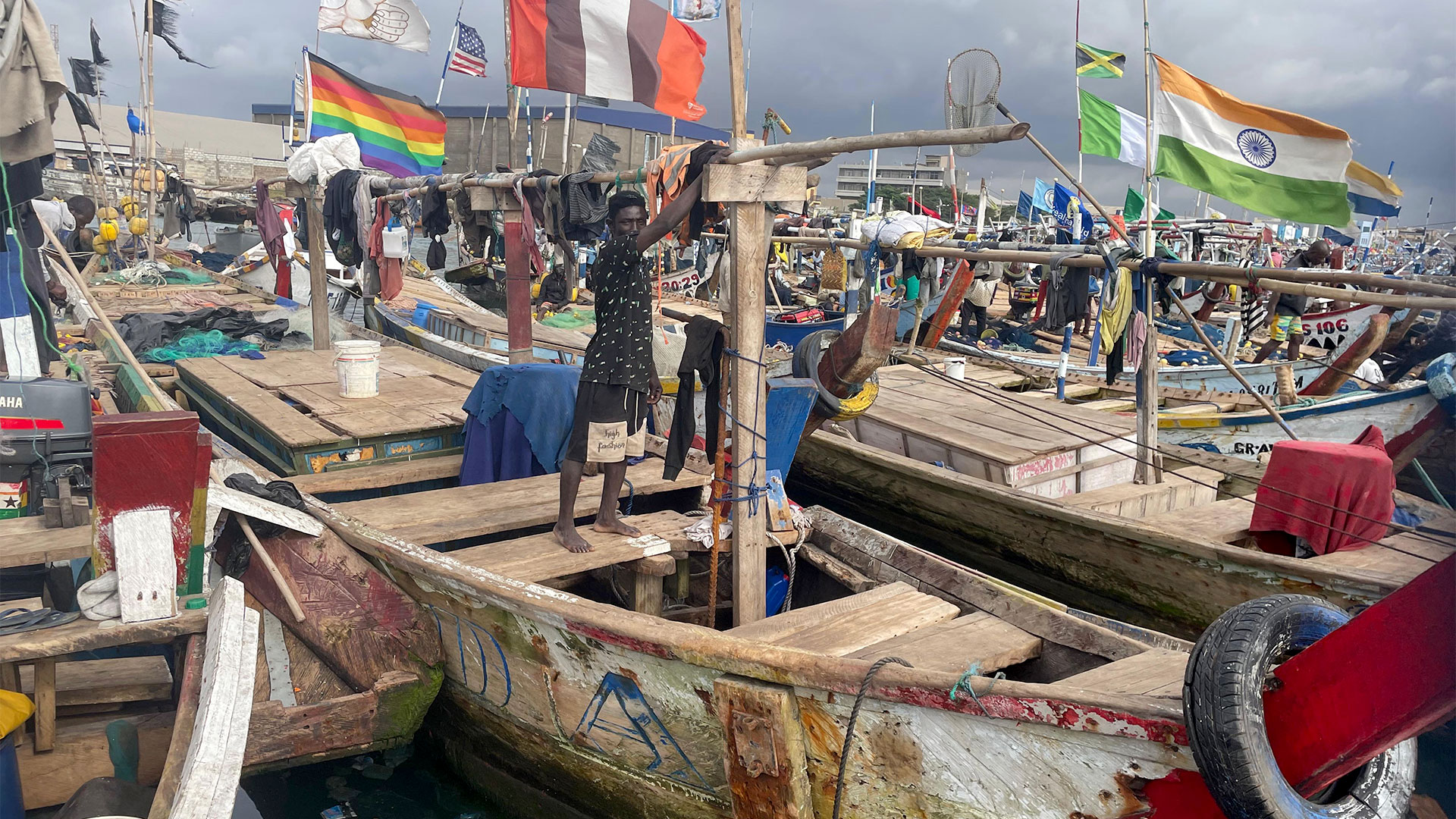
The northern Gulf of Guinea is an ocean margin system where highly productive coastal waters have supported rich marine resources on which its coastal nations have come to heavily depend. Diets, livelihoods, communities, and economies are driven by the dynamic coastal waters.
Connectivity to the global system
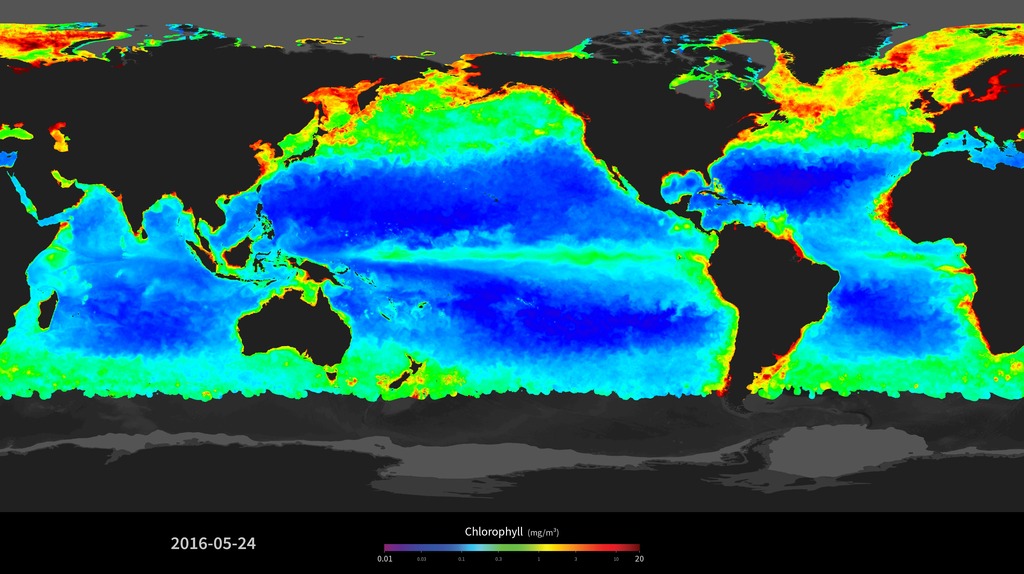
As a powerful upwelling margin, the northern Gulf of Guinea are understood to serve a critical role in global ocean cycling, connecting West African coastlines to neighboring countries and the open ocean.
Understudied system
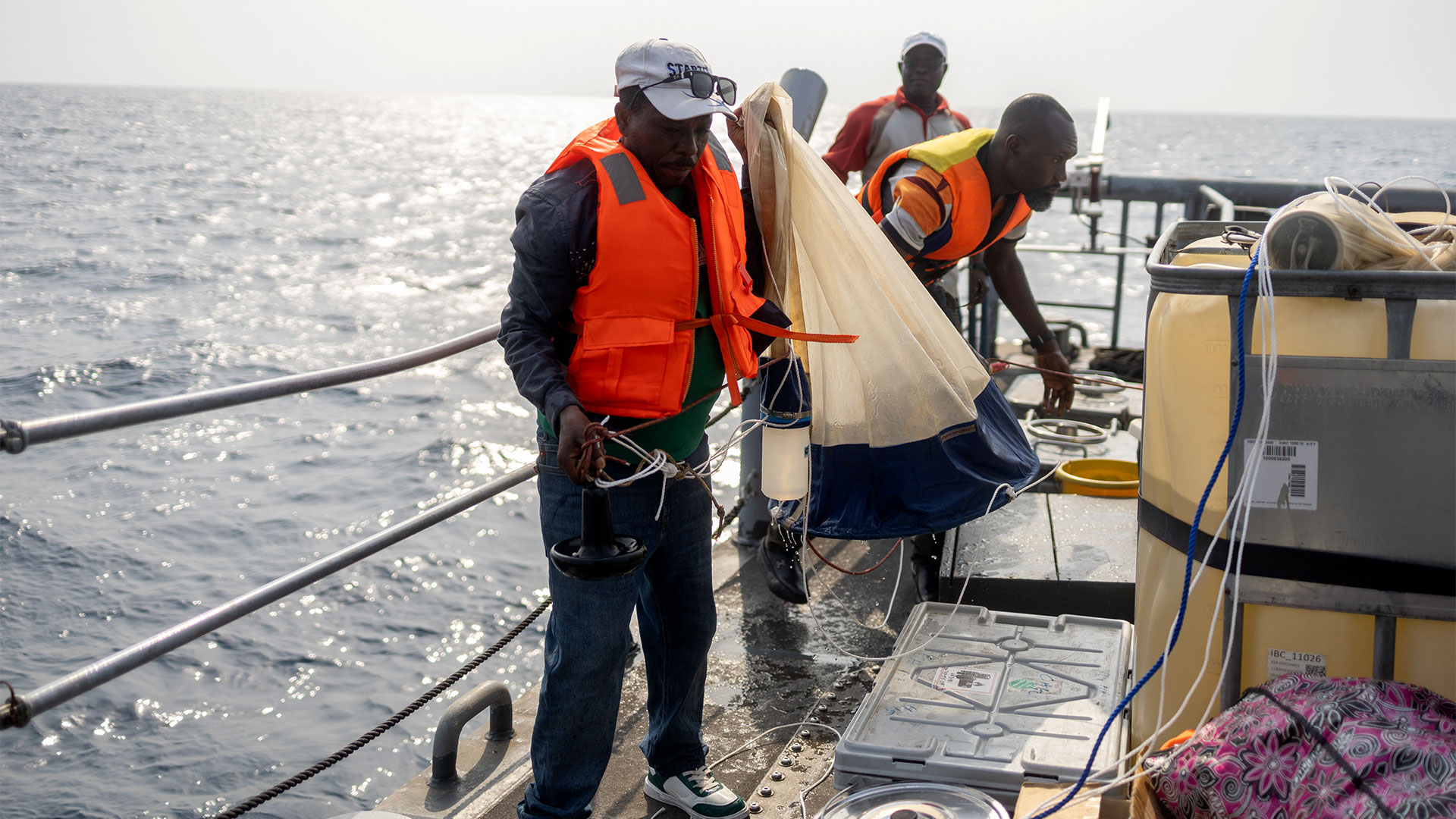
Despite this, this region is understudied and poorly represented in global ocean models. This is in large part due to the absence of an observation and modeling system that is owned and operated locally in the region.